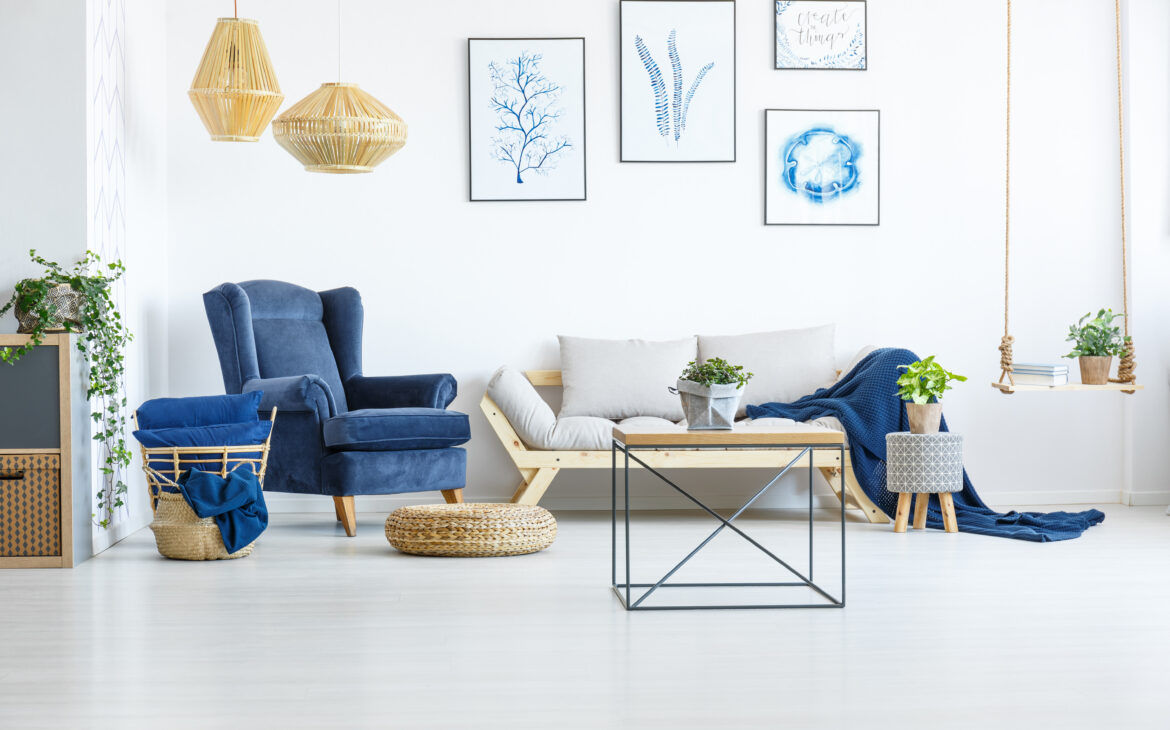
Understand the Core Elements of Style
Mixing and matching different styles of furniture and decor for a cohesive look can be tricky, but with the right understanding of style's core elements, it can be done! Firstly, (it is important to) recognize the various components that make up a particular style. For example, in traditional styling you might see dark woods paired with ornate designs and intricate detailing. To make this work with an eclectic mix of pieces, try to match one or two elements - like the wood color - while introducing new materials and shapes. Secondly, consider how colors play into your overall design. Neutral shades are best when combining different styles as they help blend all the pieces together without overpowering any one element. If you want to add more impactful hues, use them sparingly by incorporating bright accents - such as pillows or art - against a subtle backdrop. Finally, don't forget about textures! Texture helps create depth and connect disparate objects so that they appear unified despite their differences. It could be something like pairing a velvet sofa with a wicker armchair for contrast yet harmony! Altogether these tips should have you mixing and matching different styles of furniture and decor for a cohesive look in no time!
Consider Color, Texture, and Pattern
Mixing furniture and decor styles for a cohesive look can be tricky, but there are some simple steps to follow. Firstly, consider (colour), texture and pattern when picking pieces. You need to think about how the different items will look together in the room; if they don't seem like they belong you'll want to avoid them. Use accent pieces to add pops of colour or interest - these can really help tie a space together! Try not to overdo it though, too many contrasting elements can result in chaos.
Next, think about shapes and sizes. Are your pieces all roughly the same size? If so, that could create a more uniform effect which may not be what you're after. Aim for variety – use both small and large pieces, curved shapes as well as straight lines etc. It's also important not to forget scale; if your furniture is too big for the room it won't work no matter how much you like it!
Finally (and perhaps most importantly!) use accessories sensibly: knick-knacks, curtains, rugs etc., should have something in common - maybe the same colour scheme or material - otherwise your room might end up looking disjointed! Also try using unexpected items; an old trunk as a coffee table or an antique mirror on the wall instead of artwork can give an interesting twist to any space. So don't be afraid to experiment! Just make sure everything looks good together and voila – you've got yourself a stylish living area with no fuss! Wow!!
Identify a Common Element to Tie Everything Together
Mixing and matching different styles of furniture and decor can be a daunting task, but with careful consideration and planning it's possible to create a cohesive look. First (of all), it's important to identify (a) common element to tie everything together. This could be anything from color palettes or textures, to specific materials or shapes. Once you've established this consistent thread, you can begin picking out pieces that'll fit into the overall vision.
An example might be using leather furniture with modern lines of clean edges alongside vintage-inspired velvet chairs with gold accents. You may also want to include subtle hints of nature in the form of plants or wooden elements for a cozy atmosphere! It's also important not consider too many competing elements; otherwise, your space won't feel unified. To prevent this from happening, don't forget to add some accent pieces which will help bring the entire room together.
Additionally, when mixing and matching different styles of furniture and decor try exploring ideas outside your own taste. For instance, experiment with soft pastels if you typically use bold colors or include rustic pieces in an otherwise contemporary design scheme. Also keeping proportions in mind is key: focus on balancing large items such as couches with smaller ones like lamps - this will help create visual harmony throughout the room! Finally, having an open mind is essential; while you may have a particular vision in mind at first, don't hesitate to switch things up if something better comes along!
By taking these tips into account you should be able create unique yet cohesive designs that reflect your personal style. With just a little bit of effort and creativity, (you'll) soon have a beautiful room that everyone will admire!
Combine Different Styles in Unexpected Ways
Mixing and matching different styles of furniture and decor can be a tricky task. However, with some creativity (and maybe a bit of luck!) you can create a unique and cohesive look that you'll love! Start by taking stock of what you have; try to identify pieces that share common elements such as color, shape, or texture - this will help you when considering how to combine them. Once you have an idea of what you're working with, it's time to get creative! Don't be afraid to mix traditional and modern pieces in unexpected ways; for instance, pair an antique dresser with sleek chrome lamps for a dynamic juxtaposition. You could also try mixing textures; think about combining rough wood furnishings with velvet seats or delicate porcelain vases.
In addition to playing around with the materials being used, don't forget about the colors too! Try introducing contrasting tones like navy blue alongside brighter hues like yellow or pink - these bold combinations will ensure your interior stands out from the crowd. Another great way to add character is by using art and accessories to bring together different styles; hang vintage prints alongside contemporary wall-art or add quirky trinkets that reflect your personality. (Remember: too many knick-knacks can make a room look cluttered, so aim for moderation here).
Overall, there are no hard-and-fast rules when it comes to creating eclectic interiors - just use your imagination and have fun! And remember: if in doubt, keep things simple - sometimes less is more! So go ahead: combine different designs in unexpected ways and create something really special!
Balance Bold and Subtle Pieces
Mixing and match different styles of furniture and decor to create a cohesive look can be tricky. It's important to (find) a balance between bold and subtle pieces in order (to achieve) the desired effect. Adding too much of one style can make your room look disjointed, while too many bold or unique items may give it a chaotic vibe!
Start by introducing some neutral colors, such as gray, white or black, which will help tie the space together. This provides an ideal backdrop for adding pops of color that reflect your own personal style. Don't forget to layer textures and fabrics like velvet, wool and leather - this is key to creating visual interest.
Next, add statement pieces that draw the eye but still fit with the overall aesthetic you're trying to achieve. These could include an eye-catching rug, an interesting artwork or a sculptural lamp stand - investing in these investment pieces can really elevate your room and make it feel special.
Finally, remember to accessorize! Plants are always a great addition as they bring life into any space - plus they never go out of fashion! Consider also experimenting with wall hangings and mirrors; these items not only provide decoration but can also be used strategically to add depth and dimensionality to your decor scheme.
Overall, balancing bold and subtle pieces is essential when mixing different styles of furniture and decor for a cohesive look - so don't be afraid to experiment! With careful consideration you'll soon find yourself enjoying your beautiful new interior design arrangement!
Create Visual Interest with Symmetry and Asymmetry
Mixing and matching different styles of furniture and decor can be a daunting task, but with thoughtful planning it can create a beautiful and cohesive look! To achieve this, one must understand the power of symmetry and asymmetry. Symmetry is when two items are equal in size shape and position. This creates a sense of harmony whereas asymmetry on the other hand gives visual interest and helps to create a balanced composition. (Using bothe these elements together can produce an eye-catching design.)
One way to mix different styles is by using complimentary colors for your furniture pieces as well as accessories. Try to avoid overloading the space with too many colors, instead opt for soft tones that blend together nicely. Consider adding some heavy statement pieces like an armoire or sideboard to give depth to the room. And also try combining textures such as velvet, leather, wool etc., which will add that extra oomph factor. Another tip is to choose furniture pieces in similar shapes, but with different finishes - this way you won't overdo it yet still have enough variation to make the space interesting!
Finally, don't forget about lighting! Good lighting won't just brighten up your room but also create shadows which adds visual drama - so don't be scared of experimenting here! When done right, mixing different styles of furniture and decor can really bring out a stunning interiorscape that looks both chic and inviting! All you need is patience and creativity ;)
Incorporate Personal Touches
Mixing and matching different styles of furniture and decor can be a daunting task, but with a few simple tips it doesn't have to be! (First, ) incorporate personal touches - use pieces that are meaningful to you, or that spark joy. Think about the colors & textures you enjoy most, and use those as your guiding light. Don't forget to look for unexpected combinations; mixing different eras and materials often yields surprising results. For example, try pairing an antique armchair with a modern coffee table - the contrast can really make a room pop!
Plus(,) adding plants is always a great way to bring some life into the space. Not only do they instantly add color & texture (,) but also the air-purifying benefits are undeniable. Get creative too; if you don't have enough floor space for large potted plants try hanging them from your ceilings or walls instead!
Remember - when creating a cohesive look it's all about finding balance: for every bright piece include something subtle; for every hard surface add something soft. Finally(,) don't be afraid to experiment until you find what works best for you! After all(,) interior design should express who you are - so let your personality shine through!
Add Finishing Details for a Cohesive Look
Mixing and matching different styles of furniture and decor can be a tricky task, but if done correctly, it can create a cohesive look that stands out from the rest! To begin, it's important to have an overall plan for your space. Choose a few colors or patterns that you'll use throughout the room and then select pieces of furniture and decor which will complement each other. (Avoid repetition) Then add in small details such as throw pillows, area rugs, lamps, etc. to create visual balance in the room.
Moreover, think about the material you're using - wood, metal, fabric - and how they'll work together. You might not want too many pieces of one type of material in one spot or else it may look cluttered. Balance is key! Also consider textures: adding contrast by mixing materials with varying textures can give your place depth and personality.
Finally, don't forget to add finishing touches for a more unified appearance! Hang some art on the walls or hang curtains to soften up hard edges; these elements will bring everything together for a polished look. A tip: choose accents that connect nicely with your color scheme or pick items that have similar shapes/patterns so they blend seamlessly into the design! With these steps in mind (and maybe some experimentation!), you'll be able to craft an inviting space where all elements work together harmoniously!